Nike Built Nikeland on Roblox: 26 Million Visits, 20-Minute Sessions, and the Blueprint for Immersive Commerce
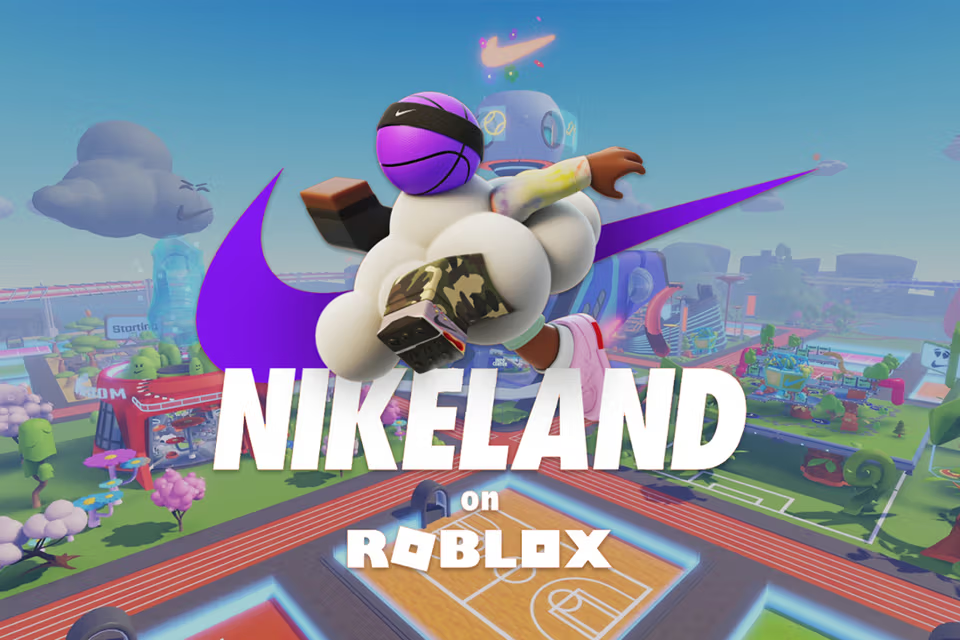
- Nike launched Nikeland on Roblox in November 2021 — a free virtual world modeled after its Beaverton, Oregon headquarters.
- The experience attracted 26–31.5 million visits from 224 countries before closing in May 2024.
- Users spent ~20 minutes per session — compared to 3–5 minutes on typical retail websites. That's a 4–6x engagement multiplier.
- Nike's digital business grew to 26% of total brand revenue. NFT revenue from the related RTFKT acquisition exceeded $185 million.
- The core lesson: Immersive brand experiences generate dramatically deeper engagement than any existing digital marketing channel.
In this article
- What was Nikeland on Roblox?
- Why did Nike build a virtual world?
- Who built Nikeland and how did it work?
- What could users actually do inside Nikeland?
- What were the results? (verified data)
- Why did users stay 20 minutes instead of 3?
- Did Nike meet its goals?
- What happened to Nikeland?
- What does this mean for the future of commerce?
- FAQ
What was Nikeland on Roblox?
Nikeland was Nike's branded virtual world built inside the Roblox gaming platform. It launched on November 18, 2021, and ran until May 24, 2024.
The experience was designed as a digital replica of Nike's global headquarters campus in Beaverton, Oregon. Users could explore Nike-branded buildings, play sports mini-games, try on virtual products through their avatars, and participate in event-driven activations tied to real-world moments like NBA All-Star Week and the FIFA World Cup.
It was completely free to access — anyone with a Roblox account could enter — and it reached users in 224 countries during its 2.5-year operational period.
Why did Nike build a virtual world?
Nike's decision to build Nikeland wasn't spontaneous. It was the convergence of four strategic forces happening simultaneously.
The digital-first mandate
Nike CEO John Donahoe — a former CEO of eBay and ServiceNow — had been driving the company's Consumer Direct Acceleration (CDA) strategy since July 2020. The goal was clear: reorganize the entire company around digital channels. Nike had already beaten its 30% digital penetration goal more than two years ahead of schedule.
The audience was already on Roblox
By late 2021, Roblox had 47.3 million daily active users and over 200 million monthly active users — overwhelmingly Gen Z and Gen Alpha. These audiences didn't respond to traditional advertising but spent hours daily in gaming environments. Nike recognized that building on Roblox was equivalent to opening a flagship store on the busiest street in the world for young consumers.
Removing the cost barrier to sport
Nike explicitly framed Nikeland around accessibility. The experience was free. Users could play sports games, try products, and explore the brand without any financial barrier — aligning with Nike's mission of making sport inclusive for everyone.
A virtual product testing sandbox
Industry analyst Sam Poser of Williams Trading highlighted Nikeland's potential as a testing ground: if thousands of kids are wearing a particular digital sneaker colourway on Nikeland, Nike knows there's real-world demand to produce it physically.
Who built Nikeland and how did it work?
Nikeland was developed by The Gang Stockholm, a Swedish creative technology studio specializing in Roblox brand activations. Nike's internal digital teams provided brand direction and product integration strategy.
One month after Nikeland launched, Nike made a pivotal acquisition: RTFKT (pronounced "artifact"), a digital sneaker and NFT studio, purchased for an undisclosed amount (last valued at $33.3 million). RTFKT was rebranded as Nike Virtual Studios and became the engine behind Nike's broader Web3 strategy — including the CryptoKicks NFT collection that generated over $185 million in revenue.
This acquisition signaled that Nikeland was part of a long-term virtual commerce infrastructure play, not a one-off marketing stunt.
What could users actually do inside Nikeland?
Play sports mini-games. At launch, users could play tag, dodgeball, and "The Floor Is Lava." A creator toolkit also let users design their own mini-games, creating community-driven content that kept the experience fresh.
Move in real life, play in-game. Nikeland integrated with mobile device accelerometers. Real-life running, jumping, and arm movements translated into in-game actions. This wasn't just entertainment — it actively encouraged physical activity.
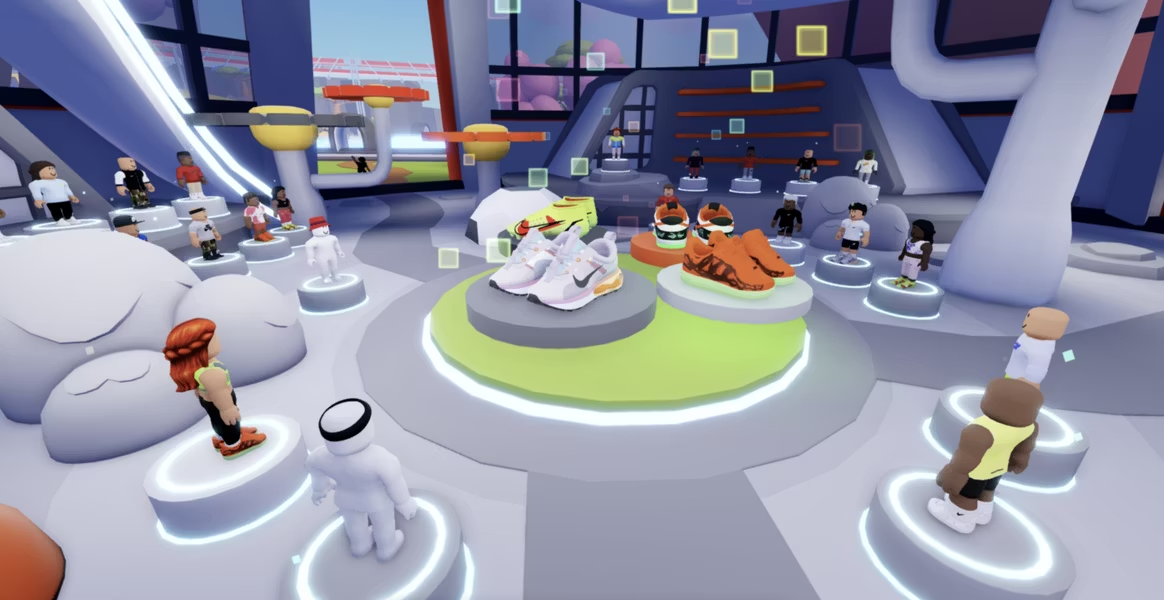
Browse and try on virtual Nike products. The Nikeland Showroom featured classic products (Air Force 1, Nike Blazer) and new releases. Users earned Blue Ribbons and Gold Medals for competing and exploring, exchangeable for virtual gear.
Participate in real-world event tie-ins. During NBA All-Star Week (February 2022), LeBron James appeared as an avatar, coached users on a virtual basketball court, and helped unlock exclusive LeBron 19 styles. During the 2022 FIFA World Cup, users could claim free Nike-sponsored team jerseys. These activations connected virtual engagement directly to cultural moments.
What were the results?
Here's the verified data drawn from Nike's official earnings calls, Roblox records, and credible industry reporting:
| Metric | Result |
| Total lifetime visits | 26–31.5 million+ |
| First 2 months | 7 million visitors |
| Countries reached | 224 |
| Avg. session time (branded Roblox) | ~20 minutes |
| Typical retail website session | 3–5 minutes |
| Engagement multiplier | 4–6x longer than retail web |
| Favourited by Roblox users | ~118,000 |
| Nike Digital as % of brand revenue | 26% (Q3 FY2022) |
| RTFKT NFT revenue | $185 million+ |
| CryptoKicks drop (April 2022) | 600 pairs in 6 min = $3.1M |
| Nike total revenue (FY2023) | $51.2 billion |
"Since its launch, a total of 6.7 million players from 224 countries have visited Nikeland on Roblox and we plan to continue driving energy there with virtual products like LeBron 19 styles special to Roblox."
Why did users stay 20 minutes instead of 3?
This is the question every brand should be asking. The answer comes down to three design principles Nike got right:
They built a world, not an ad
Nikeland wasn't a product catalogue dropped into a game. It was a place with things to do, games to play, rewards to earn, spaces to explore, and people to interact with. The brand was embedded in the environment, not pushed at the user.
They refreshed content continuously
Static virtual experiences lose audiences fast. Nike treated Nikeland like a live game, regular updates, seasonal events (NBA, World Cup), celebrity appearances, and new product drops gave users reasons to return.
They removed all friction
Nikeland was free. No additional app download required. No new account creation. Nike met consumers where they already were, in a format they already used daily.
These aren't just game design principles. They're the future of commerce design and they apply to every product category, from furniture to jewelry to fashion.
Did Nike meet its goals?
- Reach Gen Z and Gen Alpha at scale: Exceeded. 26M+ visits from 224 countries.
- Prove immersive commerce viability: Achieved. 20-min sessions proved immersive formats generate dramatically deeper engagement.
- Drive digital revenue growth: Achieved. Nike Digital = 26% of total brand revenue. Nike Direct hit $21.3B in FY2023.
- Build virtual commerce infrastructure: Achieved. RTFKT acquisition, Nike Virtual Studios, and CryptoKicks all grew from this momentum.
- Product testing sandbox: Partially achieved. Concept validated, but limited public evidence of specific products launched from Nikeland data.
What happened to Nikeland?
Nikeland was renamed "NIKE" and officially closed on May 24, 2024, after nearly 2.5 years of operation.
It didn't close because it failed. The broader metaverse landscape evolved, and Nike shifted its virtual strategy toward newer formats and its .SWOOSH Web3 community. Nikeland had served its purpose: it proved the model, built the audience, generated the data, and created institutional knowledge that Nike continues to leverage.
The closure reinforces a key lesson: immersive branded experiences need continuous investment and evolution. The brands that treat virtual spaces like "set it and forget it" campaigns will always lose to those that operate them like living platforms.
What does this mean for the future of commerce?
Nikeland's legacy isn't about Roblox. It's about what it proved:
Immersive experiences hold attention 4–6x longer than flat web experiences. When customers spend 20 minutes with your brand — configuring, exploring, playing, trying on — they're not just browsing. They're building emotional ownership before they've spent a single dollar.
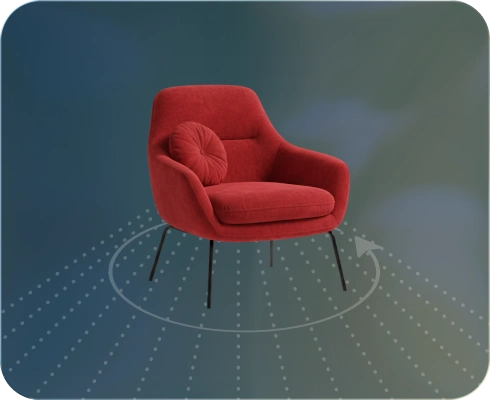
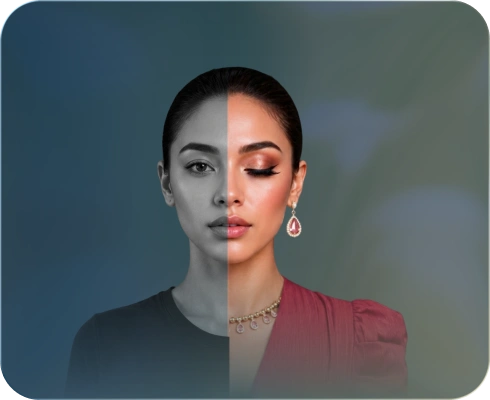
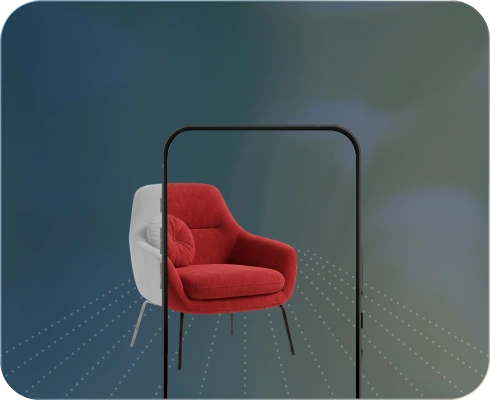
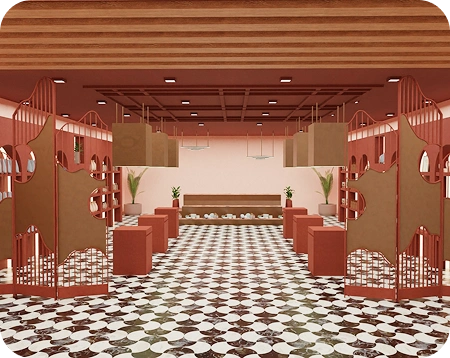
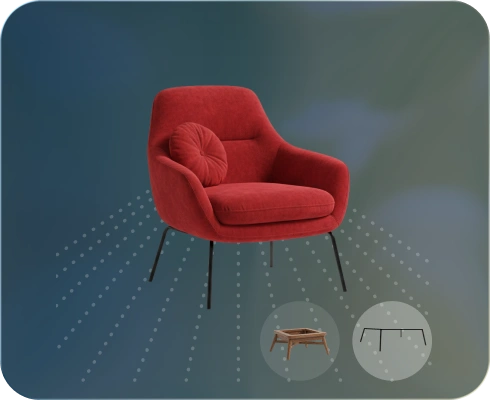
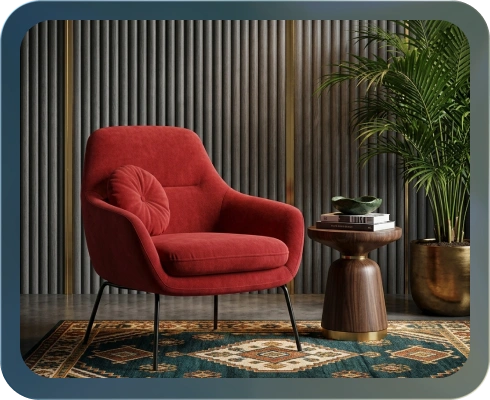
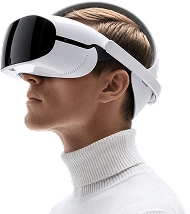
This insight applies to every product category. Furniture brands can let customers place and configure products in 3D rooms. Jewelry brands can offer AI-powered virtual try-ons with photorealistic rendering. Fashion brands can build virtual showrooms with interactive product discovery. Automotive brands can offer immersive VR configurators.
The technology to deliver these experiences without building inside a gaming platform — through web-native, browser-based XR commerce — already exists. Brands no longer need to build inside Roblox's walled garden. They can own the experience, the data, and the customer relationship directly.
The question is no longer "should brands build immersive experiences?" Nikeland answered that in 2021. The question now is: how quickly can you build yours?
Ready to build your brand's immersive experience?
CTRUH's AI-powered XR Commerce Studio lets you create virtual try-ons, 3D configurators, and spatial showrooms — directly in the browser, no app downloads or VR hardware required.
Frequently asked questions
How many people visited Nike's Nikeland on Roblox?
Nikeland attracted 26–31.5 million visits from 224 countries between its November 2021 launch and May 2024 closure. In its first two months alone, it drew 7 million visitors. Nike CEO John Donahoe reported 6.7 million unique players by March 2022.
How long did users spend in Nikeland compared to Nike's website?
Users spent approximately 20 minutes per session in Nikeland, compared to 3–5 minutes on a typical retail website. This 4–6x engagement multiplier demonstrated that immersive branded experiences generate dramatically deeper engagement than traditional e-commerce.
Why did Nike build Nikeland on Roblox?
Nike chose Roblox because the platform had 47.3 million daily active users — primarily Gen Z and Gen Alpha. Nikeland was free to access, removing the cost barrier to engaging with the brand. Nike saw it as both a marketing channel and a product testing sandbox.
Did Nikeland generate revenue for Nike?
Nikeland was part of Nike's broader digital strategy. Nike Digital grew to represent 26% of total Nike Brand revenue during Nikeland's active period. The related RTFKT acquisition generated over $185 million in NFT revenue, including a CryptoKicks drop that sold 600 pairs in 6 minutes for $3.1 million.
Is Nikeland still open?
No. Nikeland (later renamed "NIKE") officially closed on May 24, 2024, after approximately 2.5 years of operation. Nike has shifted its virtual strategy toward newer platforms and its .SWOOSH Web3 community.
What is immersive commerce and why does it matter?
Immersive commerce uses technologies like 3D visualization, augmented reality, virtual reality, and spatial computing to create interactive shopping experiences. Nikeland proved that these experiences hold consumer attention 4–6x longer than traditional digital retail, with profound implications for brand recall, emotional connection, and conversion.
Sources
- Nike Q3 FY2022 Earnings Call Transcript — SEC Filing (March 2022)
- Nike FY2023 Annual Results — SEC Filing (July 2023)
- Marketing Dive — "Nike courts next generation of athletes with Nikeland" (Nov 2021)
- CNBC — "Nike teams up with Roblox to create Nikeland" (Nov 2021)
- The Drum — "Nearly 7 million people visited Nike's metaverse store" (Mar 2022)
- The Drum — "21M people visited Nike's Roblox store" (Sep 2022)
- Benzinga — "How many people visited Nikeland" (Mar 2022)
- ISM Inc. — "Nike Raising the Bar Metaverse Case Study" (Oct 2024)
- Roblox Wiki — NIKE/NIKELAND page (Sep 2025 update)
- VirtuIRL — "Finding the Right Metrics for Roblox Brand Activations" (Mar 2025)